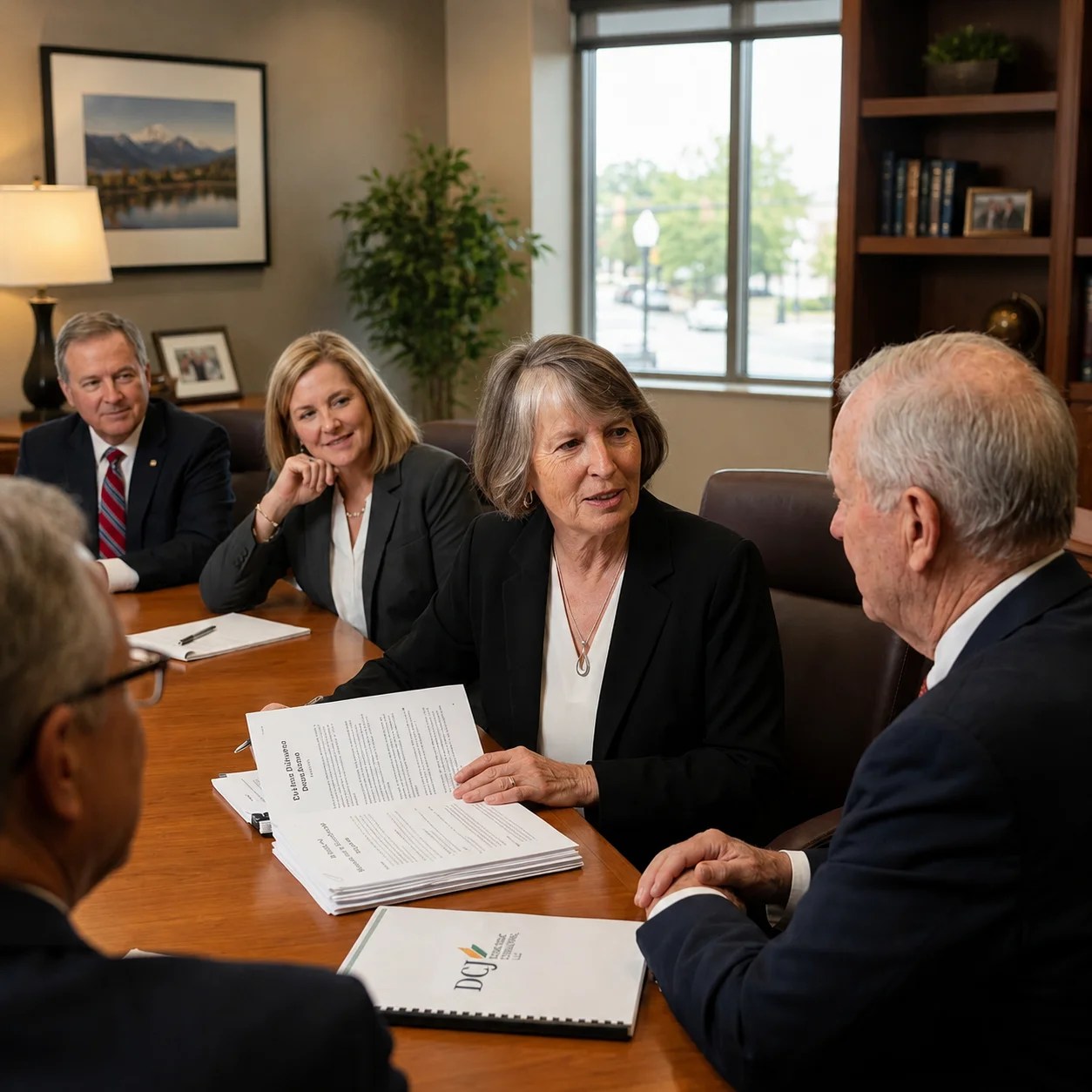
Does your board treat governance as a chore, quietly sitting through each motion? Or, is it your strongest asset, the thing your board can lean on when things get out of line? In my work with nonprofit boards, this is the fork in the road. Which side is yours on? That split opens a real, practical challenge: nonprofit board governance isn’t paperwork, and it’s not the part you speed through. When it’s alive and working, it’s the tool you reach for when someone tests a boundary or when you need alignment at a hard turn. If that sounds distant from where your board operates now, good. That’s the work, that’s what this article unpacks.
- What it looks like when nonprofit board governance is treated as an afterthought versus when it’s used as a living asset
“Governance is the tool you actually use when someone gets out of line.”, Dee Jones
Does Your Nonprofit Board Treat Governance as a Chore, Or As Its Strongest Asset?
I’ve met with boards who see governance as drudgery, a box to check, documents to file, and hours to pass. They handle compliance once a year, skim bylaws, and rush through board meetings to get to “the real work. ” It’s a common challenge in the nonprofit sector. But I’ve also worked alongside boards where good governance is more than a shadow, it’s a living habit. For these boards, every board meeting, policy change, or debate is shaped by a governance framework that’s understood, respected, and (critically) in use. On a board like that, oversight isn’t a threat or a burden; it’s a source of trust, continuity, and calm in tough times.
Nonprofit board governance shapes how you handle challenges when rules are tested, money is tight, or direction is uncertain. Is your documentation collecting dust, or are your minutes and policies guides for making decisions? I’m grateful to have seen the difference real governance makes with my own hands, at the moment a crisis swerves onto a board’s doorstep, or when a new board member steps in and finds clarity instead of confusion. If you’re ready to have that, keep reading. Because good governance is the tool you’ll use most, and if you haven’t used it yet, it’s the asset waiting within reach.
For boards looking to move from theory to practice, exploring targeted board governance and training solutions can provide actionable frameworks and support to help your team implement these habits effectively. This kind of focused guidance ensures your governance structure is not just understood, but actively used in every meeting and decision.
What You’ll Learn About Nonprofit Board Governance
-
How good governance transforms your nonprofit board’s performance
-
Why effective nonprofit governance is mission-critical
-
Concrete habits and evidence from real boards
Redefining Good Governance for Nonprofit Boards
-
How the nonprofit board shapes board governance culture
-
Examples from well-run nonprofit organizations and documented results
-
Pattern: simple practices that correlate with lasting impact
It’s easy to see good governance as abstract, another expectation, another “should. ” But a functioning board gives good governance a real seat at the table. It isn’t limited to policies and compliance. In the very best nonprofit boards, governance culture shows up from the first hello to the close of every board meeting. The board shapes culture by how it works. When new board members are welcomed, they see structures, not just titles. They’re handed not just binders, but living systems: clear agendas, honest feedback, brave questions, and a culture that expects participation, not passive attendance.
In client organizations that have turned this corner, the result is hard to miss. Decision-making gets faster and clearer because no one’s guessing as to the process. Developing consistent board actions creates trust. New board members find it easier to speak up, knowing governance is their anchor (not a net underfoot). My own publications include examples from national service organizations to local educational nonprofits where a single change, a shift in board orientation, the adjustment of a committee structure, or installing post-meeting debriefs, transformed long-standing inefficiencies. It’s not flashy, but it endures. The pattern is simple: good governance creates boards that last, boards that know what to do when the ground shifts, and boards that are grateful for the work, even when it’s hardest.
From Compliance to Contribution: Rethinking Legal Duties and Nonprofit Board Governance
Legal Responsibilities and Their Real Role in Board Governance
-
What legal responsibilities are required from each board member
-
Board governance and day-to-day nonprofit governance, drawing the clear line
Most talk about legal responsibilities stops at the language of state law, fiduciary duties, loyalty, care, and obedience. Those are foundational, and a board member can’t skip them. But nonprofit board governance asks more than reading a policy once a year. Those expectations should shape every agenda and inform every conversation about resources, strategy, and risk. Board members are responsible not just for making big decisions, but for quality oversight, asking questions, reviewing reports, and drawing clear lines between their role and that of the executive director. The distinction matters. Board governance is the stewardship of the whole organization, while staff handles day-to-day nonprofit governance.
When fiduciary responsibility anchors your work, your nonprofit board is equipped to serve its oversight role without strangling executive leadership. For example, a strong board will review annual budgets for alignment to mission, monitor compliance not just for the sake of paperwork, but to keep trust with donors and community partners, and use governance as a constant, not an annual ritual. Good governance doesn’t end with regulatory requirements or board manuals, it comes alive when every board member is engaged in overseeing, learning, and applying those responsibilities practically. I’ve learned to appreciate how even small moments, sending board pre-reads or reflecting honestly on a difficult decision, add up to a culture of stewardship that lasts.
The 4 P’s and 4 Pillars: Models That Shape Nonprofit Board Governance
|
Model |
Key Focus Areas |
Role of Board Members |
Practical Signs of Good Governance |
|---|---|---|---|
|
4 P’s (Purpose, People, Process, Performance) |
Clear mission; Building strong teams; Consistent procedures; Accountability. |
Maintain connection to mission; |
Strategic alignment, |
|
4 Pillars (Accountability, Transparency, Integrity, Stewardship) |
Fulfilling promises; |
Watchful compliance; |
Accurate reporting, |
|
7 Functions |
Setting mission, strategy, policy, oversight, fundraising, evaluation, advocacy. |
Guide purpose; |
Regular strategic planning, |
-
The role of board members in each governance model
-
How good governance is reflected in board actions

Whatever model a nonprofit chooses, 4 P’s, 4 Pillars, or the 7 Functions, good governance shows up in real board actions, not just aspirational language. If your nonprofit board runs checklists, maintains open meeting minutes, and reviews its performance honestly, you’re already doing good work. In high-performing organizations, the models aren’t just posters, they show up in the regularity of board meetings, the care taken with onboarding, and the willingness to review outcomes against real standards. As you apply these, remember: the models aren’t separate from action; they are the pattern behind every strong, functioning board.
Board member roles often shift based on the chosen governance structure. The core stays the same: whether serving as a policy architect, financial overseer, or advocate. In practice, the best boards blur lines minimally but never neglect them, maintaining a healthy distinction between board and management, for example, while staying agile enough to step in when guidance is needed. That’s the living work of nonprofit board governance: informed by frameworks, proven by ongoing, collective action, and measured by the organization’s ability to handle challenges as they come.
Functional Responsibilities: The 7 Essentials of Nonprofit Board Members
-
Mission Clarity : Board members ensure every decision returns to the nonprofit’s mission. For example, at an education nonprofit, the board regularly connects expenditure approvals to student outcomes.
-
Strategic Direction : Shaping long- and short-term plans, boards at healthcare nonprofits annually review and update multi-year strategic plans, measuring progress against clear benchmarks.
-
Fiduciary Duties : Vigilant stewardship of resources, including annual independent audits and transparent financial reports; a board’s oversight may uncover new opportunities for resource efficiency.
-
Program Oversight : Tracking performance of key programs, board members in a healthcare nonprofit review quarterly outcomes with staff, discussing successes and learning from gaps.
-
Governance and Policy Setting : Establishing and updating bylaws, conflict of interest policies, and codes of ethics; a strong board polishes these tools annually, not just in emergencies.
-
Fundraising and Advocacy : Working their connections, each board member shares organizational events, secures donors, or speaks at community functions to raise awareness.
-
Self-Evaluation and Board Development : Conducting honest annual assessments, setting board development goals, and committing to learning, for example, by inviting feedback from new and outgoing members.
-
Connections to board member experience and internal communication practices
All seven responsibilities are stronger, more lasting, when tied to open internal communication. In organizations where board members share feedback openly, ask for clarification, and participate in transparent discussions, governance goes from abstract structure to lived routine. Honest conversations about priorities, risks, and failures turn individual experience into organizational wisdom. Internal communications habits, from open email threads to regular debriefs, set the difference between boards that just function and boards that thrive.
Good governance is felt when a new board member picks up the phone to share a concern, or when an outgoing member leaves a guide for the next. I’ve witnessed the power of simple check-ins: a monthly board chair update or post-meeting reflection notes. The result? No one works in a vacuum, and both problems and progress are tackled as a team. That’s where nonprofit board governance becomes an asset, communication is the connector, and the culture grows from there.
What the 33% Rule Means for Nonprofit Board Governance
-
Breaking down what the 33% rule means for nonprofit organizations and their boards
-
Practical examples of the rule’s influence on nonprofit board governance
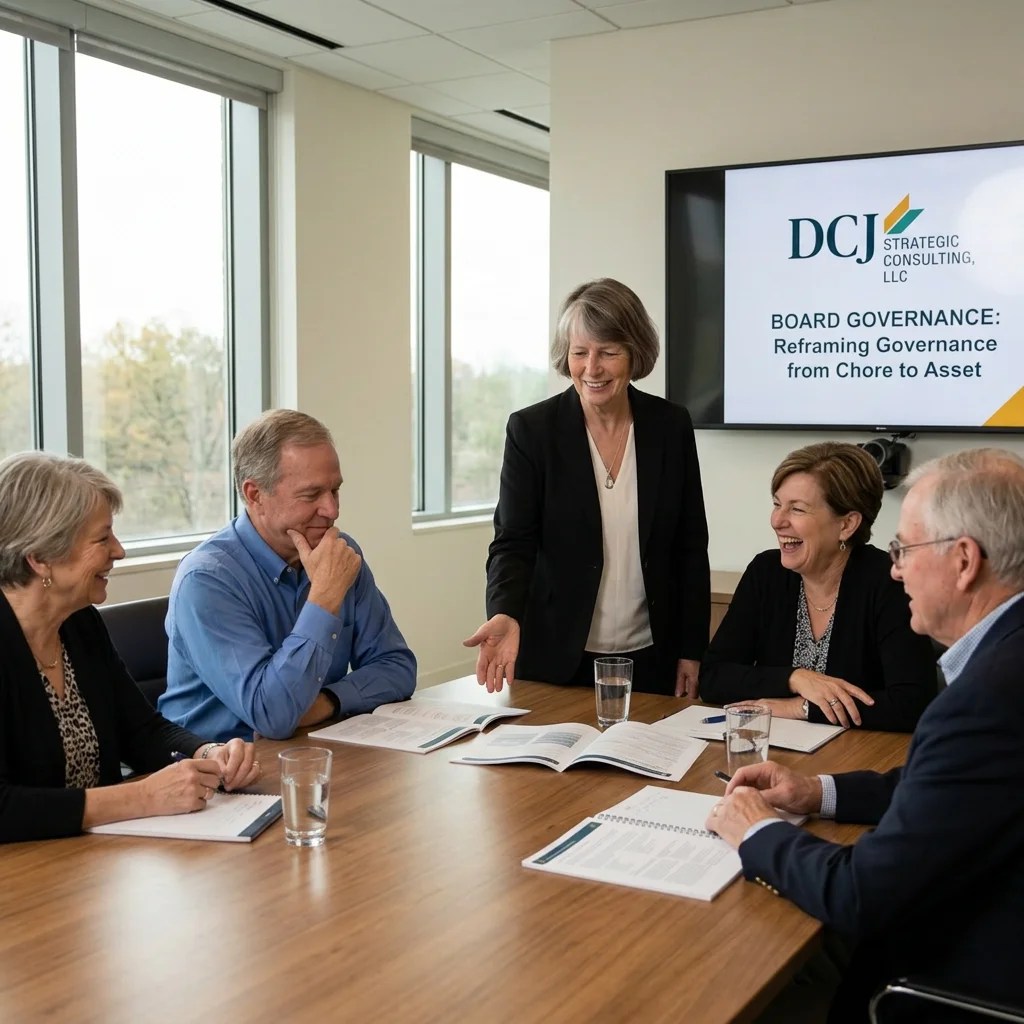
The so-called 33% rule refers to a practical guideline in nonprofit board governance, often, it means that at least a third of an organization’s board should be independent, or that no more than a third of the board may be affiliated with the staff, major donors, or related interests. This rule helps ensure that board oversight remains unbiased and that decisions genuinely serve the mission rather than individual interests. For charitable nonprofits, balancing perspectives is not just best practice, it’s protection against conflict of interest and an insurance policy for public trust.
In daily board work, the 33% rule shapes how committees are formed, how conflicts are managed, and even how term limits are applied. I’ve worked with a youth-focused nonprofit where shifting their board composition to reflect these principles brought better grant opportunities and a restored sense of trust from community partners. When applied, the rule is never just a number, it’s embedded in meeting attendance, recruitment planning, and regular self-assessment. The outcome? Better governance, fewer conflicts, and a board that’s always ready to show its work.
Internal Communication: The Quiet Power Behind Board Governance
-
Why internal communication is central to nonprofit board effectiveness
-
Practices for strengthening internal communications among board members
Ask a functioning board their secret, and most will admit: the difference isn’t in which policies you adopt, or which model you follow. The power is in internal communication. When board members trust each other enough to speak up, share honest feedback, and ask hard questions, the rest of good governance flows right through. That doesn’t happen by accident, wise boards schedule regular check-ins, make room for new member voices, and treat communication not as a side activity, but as their main asset.
Building strong internal communications could mean regular progress updates from the executive director, email summaries after each board meeting, or structured one-on-ones between the board chair and each member, new and old. The practice I encourage most is a three-part cycle: “Check-in, clarify, and close”, where each decision is revisited, explained, and then logged for reference. The boards I see succeed are the ones who treat every email, every call, and every written update as a vital thread in their governance structure. That quiet connective tissue turns even routine actions into building blocks for trust, and that’s what endures long past a single board cycle.
Short explainer (animation): Board members in action, exchanging ideas, solving challenges, and collaborating.
Case Studies: Nonprofit Board Governance in Action
- A nonprofit organization that turned governance from a box-checking exercise to an asset

Several years ago, I worked with a nonprofit healthcare board that took a check-list approach to governance. Board meetings were polite, but little changed from month to month. After board development training and a year’s focus on internal communications, monthly board chair check-ins, public “mission moments” at each meeting, and honest board performance self-reviews, everything shifted. The same board that once hesitated to speak now debated strategy in the open, adopted a standing “questions round” at the end of every meeting, and began recruiting new members actively. The proof wasn’t in new paperwork. It showed up in smoother executive transitions, more steady fundraising, and a culture where new members contributed fully from day one. That’s nonprofit board governance practiced, not just preached. These changes endured because the board itself carried the work forward with gratitude and intention.
Lists That Make Governance Work
One note on context first: mature boards have been running these practices for years, which is why the work looks effortless. Newer boards should treat the list as an aspiration built one habit at a time. Every board is in a different season of maturity.
-
Send detailed pre-reads before each board meeting to allow for real discussion and fewer surprises.
-
Hold regular one-on-one check-ins between the board chair and all board members to build trust.
-
Rotate meeting leadership or agenda-setting to ensure all voices are heard and responsibilities are shared.
-
Reserve time for post-meeting reflection , collect highlights, concerns, and lessons for future action in a shared document.
-
Celebrate small wins and milestones to reinforce a culture of gratitude and mission alignment.
-
Advisory board’s role versus governing board’s obligations in nonprofit board governance
Healthy internal communications practices create a foundation for lasting good governance. It’s easy to confuse an advisory board, whose job is to give non-binding guidance, with the governing board. But only the governing board has real legal responsibilities and an oversight role. The distinction matters: advisory bodies enrich, but only a governing board does the steady, sometimes thankless, always vital work of compliance, accountability, and strategic direction. When communication flows, both boards can contribute, without crossing wires or muddying lines of authority.
Practical Takeaways for Nonprofit Board Governance
-
What strong nonprofit governance always includes
-
Small steps that pay dividends for your nonprofit board
At the end of the day, nonprofit board governance that works always includes: a living mission, clear boundaries between board and staff, honest internal communication, regular review of roles, and a committed habit of gratitude and learning. Even small steps, a shared board document, a new onboarding flow, or a habit of post-meeting thank-yous, pay dividends. I’m grateful to stand with boards putting these into practice, one action at a time.
People Also Ask: Essential Questions on Nonprofit Board Governance
What is the 33% rule for nonprofits?
- The 33% rule recommends at least one-third of a nonprofit board be composed of individuals not heavily connected to the staff, major donors, or related interests. This builds diversity of thought, protects against potential conflicts of interest, and ensures oversight remains truly independent. Adhering to this rule makes nonprofit board governance more balanced and credible, supporting better outcomes for the organization’s mission.
What are the 4 P’s of governance?
- The 4 P’s stand for Purpose (clarifying the mission), People (who serves and how they relate), Process (the board’s way of working), and Performance (tracking and reviewing outcomes). For nonprofit board governance , these ensure each decision ties back to mission, board members are engaged, operations flow smoothly, and impact is measured.
What are the 7 functional responsibilities of a nonprofit board?
- The 7 essentials: mission clarity, strategic direction, fiduciary duties, program oversight, governance/policy setting, fundraising/advocacy, and board self-evaluation. Good governance correlates directly with attention to each function, completeness and routine review set strong boards apart.
What are the 4 pillars of governance?
- The 4 pillars, accountability, transparency, integrity, stewardship, anchor nonprofit board governance in lasting values. Modern boards apply these pillars to decision-making, reporting, and ongoing evaluation, keeping their work connected to public trust and long-term success.
Quick FAQ on Nonprofit Board Governance
-
What sets a good governance framework apart for nonprofit boards?
The best frameworks go beyond written policies. They establish actionable routines, well-defined roles, honest feedback mechanisms, and committed board leaders and members. A framework works when every board member, regardless of tenure, knows what governance looks like day to day. -
What’s the difference between an advisory board and a governing board in a nonprofit organization?
An advisory board offers guidance and subject-matter expertise without binding authority or legal responsibilities. The governing board, meanwhile, fulfills fiduciary duties, legal oversight, and sets the nonprofit’s strategic direction. Clear boundaries between the two keep governance strong. -
How do board members influence nonprofit governance long-term?
Consistent participation, mentoring, open communication, and setting personal examples in upholding ethical standards deliver lasting impact. When board members approach their duties with humility and stewardship, their influence outlives their term.
The Work Begins Here: Why Nonprofit Board Governance is the Real Asset
“I’m honored every time a board trusts me with its governance work. Because governance is the tool you actually use, for example, when someone gets out of line. Let’s get to work.”, Dee Jones
-
Summary of actionable nonprofit governance steps
-
Encouragement and open invitation for board engagement: “Let’s get to work. Contact Dee at [email protected]”.
Good nonprofit board governance is never finished, and it’s never above rolling up sleeves. I’m grateful for every board practicing these small steps, investing in culture, in clear roles, in quiet communication, and in honest assessment. Governance isn’t what happens when nothing goes wrong; it’s what you use the moment something challenges your peace, your purpose, or your trust. Let’s get to work. Contact Dee at [email protected].
If you want to take your board’s effectiveness further, board governance and training through DCJ Strategic Consulting builds on everything above: advanced governance strategy and practical support for a resilient, high-performing board culture. Whether you’re refining your board’s structure, deepening engagement, or working through a hard stretch, the right training turns governance into the asset your organization deserves.
To deepen your understanding of nonprofit board governance, consider exploring the following resources:
This resource outlines essential practices for nonprofit boards, including term limits, strategic recruitment, diversity and inclusion, and board evaluation. Implementing these practices can enhance your board’s effectiveness and alignment with your organization’s mission.
This guide provides tools and resources to help nonprofits operate more effectively, efficiently, and ethically. It covers board roles and responsibilities, orientation, and other key aspects of governance and leadership.
By engaging with these materials, you can gain practical insights and strategies to transform your board governance from a routine task into a vital asset for your organization.